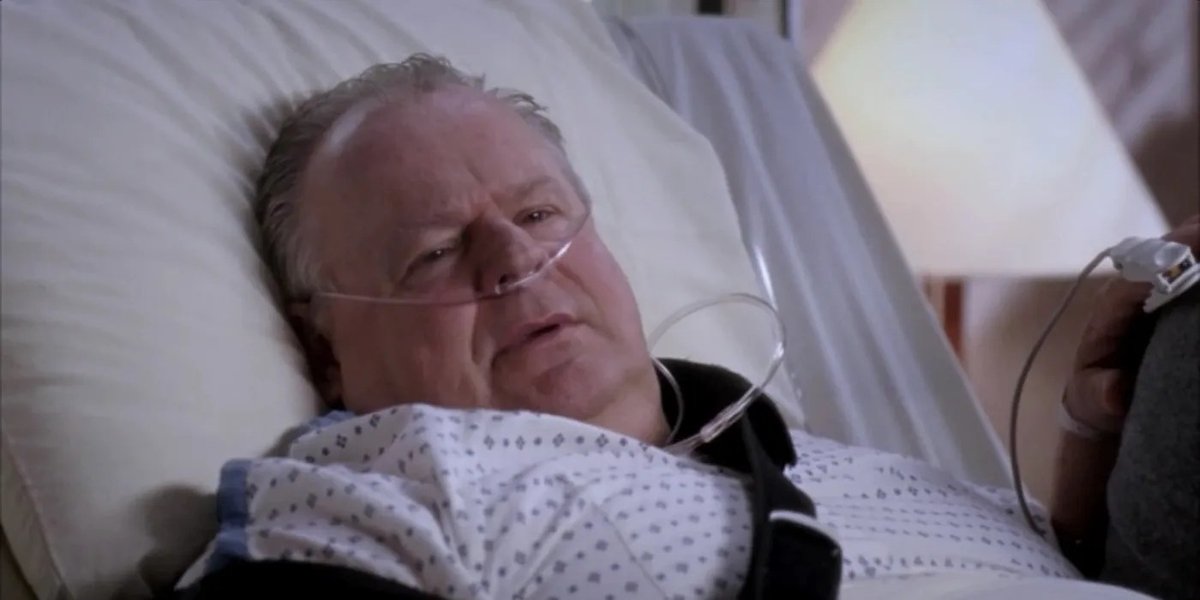
Few moments in television history have left audiences as stunned and heartbroken as the gut-wrenching farewell to George O'Malley. For fans of Grey's Anatomy, discussing George O'Malley's death episode remains a raw memory, a pivotal turning point that redefined the series. His exit wasn't just a character arc closing; it was a brutal, heroic sacrifice that came with a shocking reveal, leaving a permanent mark on Seattle Grace Hospital and the viewers who adored him.
This comprehensive guide delves into every detail of George’s tragic end, from the unexpected heroics to the emotional aftermath and the real-world reasons behind actor T.R. Knight's departure.
At a Glance: George O'Malley's Shocking Exit
- When It Happened: Season 5 finale ("Now or Never," Episode 24) and Season 6 premiere ("Good Mourning," Episode 1), airing September 2009.
- How He Died: Struck by a bus while saving a woman's life.
- The Reveal: Initially admitted as an unrecognizable John Doe, he was identified by Meredith Grey via a distinctive mole and the "007" traced on her hand.
- His Final Wish: Organ donation, with his kidneys, heart, and lungs saving multiple lives.
- Why He Left: Actor T.R. Knight cited creative differences, lack of screen time, and a breakdown in communication with showrunner Shonda Rhimes, exacerbated by an on-set incident.
- Impact: Profoundly affected Izzie Stevens, Meredith Grey, Callie Torres, and the entire hospital staff, becoming one of TV's most talked-about character deaths.
- Legacy: Remembered for his compassion, courage, loyalty, and growth from a bumbling intern to a heroic trauma surgeon.
- A Return: Appeared in Meredith's COVID-induced dream sequence in Season 17, offering closure.
The Unthinkable Moment: A Hero's Sacrifice Gone Horribly Wrong
The story of George O'Malley's final episode begins with a decision: a sudden, heartfelt choice to enlist in the army as a trauma surgeon. George, always driven by a desire to help, found purpose in the idea of serving his country after being inspired by a veteran patient. His friends, however, were shocked and distraught, believing he was making a rash decision. Izzie Stevens, battling her own life-threatening cancer, was particularly devastated by the thought of losing him.
As George was about to leave, his friends gathered to see him off. But fate, in its cruelest form, intervened. A severe bus accident brought a flurry of injured patients to Seattle Grace. Among them was an unidentified male, a John Doe, who had sustained catastrophic injuries—massive head trauma, severe internal bleeding, multiple broken bones, and a face so disfigured it was unrecognizable. This patient had heroically pushed a woman out of the way of an oncoming bus, sacrificing himself to save her.
Who Was John Doe? The Horrifying Revelation
The Seattle Grace team, including Meredith Grey, Derek Shepherd, and Cristina Yang, rallied to save the John Doe, unaware of his true identity. They worked tirelessly, performing multiple surgeries, but his condition was dire. He couldn't speak, communicate, or even open his eyes.
It was Meredith Grey, ever the keen observer, who began to feel a nagging familiarity. During one of her visits to his bedside, she gently squeezed his hand. In response, with tremendous effort, the John Doe painstakingly traced three numbers on her palm: "007."
The air left Meredith's lungs. "007." It was George's old nickname, given to him in Season 1 after a disastrous appendectomy where he nearly killed his first patient, earning him a "license to kill" moniker. The irony of this nickname, now traced by a man who had just saved a life, was crushing. Looking closer, Meredith also recognized a distinct mole on his hand that confirmed her terrifying suspicion: John Doe was George.
The revelation sent shockwaves through the hospital. The man they had been operating on, the unrecognizable patient with the gravest injuries, was their George. The realization was a punch to the gut for every character, and indeed, for every viewer.
The Tragic Outcome: "Now or Never"
Once identified, the medical team fought with renewed vigor, now knowing they were fighting for one of their own. Derek Shepherd, the chief of neurosurgery, made the difficult decision to operate on George's severely damaged brain. However, despite their combined efforts, George's injuries were too extensive. His brain had swollen significantly, and he showed no neurological activity.
The decision fell to Callie Torres, George's estranged wife, and his mother. With heavy hearts, they agreed to withdraw life support. George O'Malley was pronounced brain dead, bringing his heroic but tragically short life to an end in the season 5 finale, "Now or Never." The subsequent Season 6 premiere, "Good Mourning," dealt with the immediate aftermath and the characters' grieving process.
A Farewell Gift: George's Legacy of Life
Even in death, George continued to embody his compassionate spirit. He was an organ donor, a wish honored by Callie Torres. His gifts gave life to others in need:
- Kidneys: Sent to 8-year-old Molly Kemper at St. Luke’s Children’s Hospital in Boise, Idaho.
- Heart and Lungs: Received by 22-year-old Terry Class at Portland Medical Center.
This final act underscored George's character—always putting others first, even to his last breath.
Why T.R. Knight Left Grey's Anatomy: Beyond the Script
While George O'Malley's on-screen death was a devastating plot point, the decision for the character to exit the show was rooted in real-world circumstances surrounding actor T.R. Knight. His departure was multi-faceted, stemming from a combination of creative dissatisfaction and on-set tension.
Knight openly expressed feeling a lack of screen time for his character, and frustration with the direction George's storylines were taking. He believed his character's arc wasn't evolving in a way that felt authentic or engaging. A significant point of contention was a breakdown in communication with show creator Shonda Rhimes, which grew increasingly strained.
Adding to the tension was the infamous "Isaiahgate" incident. Co-star Isaiah Washington, who played Dr. Preston Burke, used a homophobic slur against Knight on set. This incident, and the way it was handled, deeply impacted Knight and further strained his relationship with the production. Knight, who is openly gay, also reportedly found a proposed storyline that would have made George gay "insulting." Ultimately, these factors led T.R. Knight to request an early release from his contract, paving the way for George O'Malley's tragic on-screen demise.
The Ripple Effect: Impact on Seattle Grace
George's death had a profound and lasting impact on everyone at Seattle Grace, particularly his closest friends and mentors.
- Izzie Stevens: Already battling advanced cancer, George's death intensified her fears about mortality and loss. His passing, coupled with her own health struggles, contributed significantly to her emotional turmoil and eventually to her own departure from the hospital and the show.
- Meredith Grey: Having identified George, Meredith carried a unique burden of grief. His death reinforced her appreciation for life and strengthened her resolve, contributing to her growth as a person and a surgeon. It was another stark reminder of the fragility of life in a place where death was a constant presence.
- Callie Torres: George's ex-wife, Callie, was left to make the difficult decisions regarding his life support and organ donation. The experience was agonizing and deeply personal, marking a significant moment in her character's journey toward self-discovery and new relationships.
- The Rest of the "Fab Five": Cristina Yang, Alex Karev, and Izzie Stevens, alongside Meredith, formed the original intern group, and George was their heart. His absence left an undeniable void, forever changing the dynamic of their close-knit friendship and forcing them to confront their own mortality and the harsh realities of their profession.
The audience reaction was overwhelmingly emotional. Many viewers expressed shock, sadness, and even anger at the writers for such a brutal and sudden end for a beloved character. George's death remains one of the most talked-about and controversial character exits in Grey's Anatomy history.
More Than a Number: The Significance of "007"
The "007" nickname, first bestowed upon George in the series premiere ("A Hard Day's Night") after a near-fatal appendectomy, became an ironic symbol of his early struggles and insecurities. He was the lovable underdog, prone to mistakes, and often felt out of his depth.
For George to use this very number, traced on Meredith's hand, as his final, desperate act of identification, was profoundly symbolic. It marked a full-circle moment for his character. From nearly killing his first patient, to heroically sacrificing himself to save another, George had evolved from "License to Kill" to "License to Save." His final act was the ultimate redemption, transforming a nickname of shame into a badge of honor, cementing his legacy as a true hero.
A Glimpse of Closure: The Beach Reunion
For years after his death, George's absence was felt, but a true sense of closure for viewers (and for Meredith) remained elusive. That changed in Season 17, during Meredith Grey's battle with COVID-19.
In episode 4, titled "You'll Never Walk Alone," T.R. Knight made a poignant return as George O'Malley in Meredith's COVID-induced dream sequence. Set on a serene beach, George appeared alongside other beloved deceased characters like Derek Shepherd. He offered Meredith comfort, wisdom, and a final, peaceful conversation. This moment allowed viewers to revisit George, see his familiar, kind face, and experience a much-needed sense of peace and farewell that was denied in his initial, traumatic exit. It was a beautiful tribute to a character who was gone too soon.
George O'Malley's Enduring Legacy
Despite his rocky start, which famously included failing his intern exams once, George O'Malley's journey was one of remarkable growth. He transitioned from an awkward, insecure intern to a highly skilled, compassionate trauma surgeon. His decision to join the Army, inspired by a veteran, showcased his deep commitment to service and courage, eventually achieving the rank of Captain.
George's legacy is defined by his unwavering compassion, his quiet courage, and his profound loyalty to his friends and patients. His character represented the heart of Seattle Grace, often being the moral compass and the most genuinely kind person in a hospital full of brilliant but often flawed individuals. His death remains one of television's most discussed and impactful due to its suddenness, the shocking nature of his injuries, his selfless act of heroism, and the profound likability of the character. He taught us that even the most unassuming individuals can possess the greatest heroism.